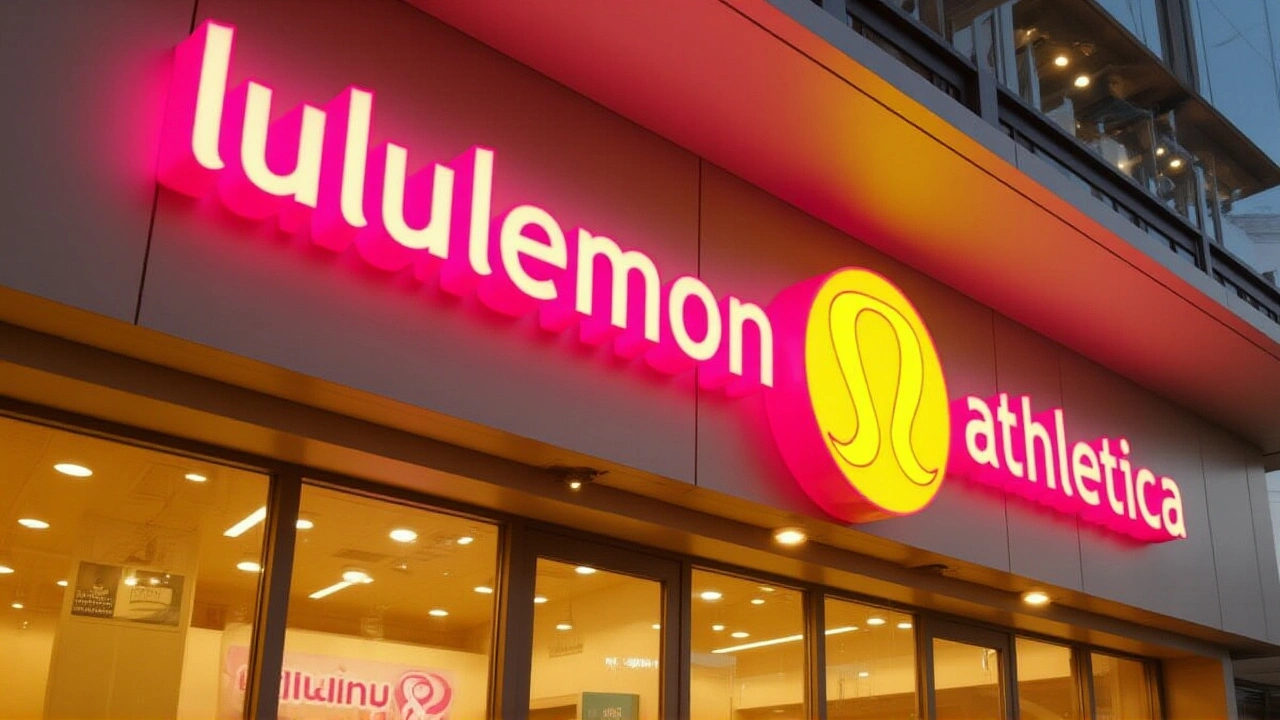
On Friday, November 28, 2025, Lululemon Athletica Inc. shares closed at $181.94, marking a startling 9.6% weekly gain — a rare burst of momentum for a stock that’s still down nearly half its value from a year ago. The surge came just hours after John C. Williams, president of the New York Federal Reserve and a key voting member of the Federal Open Market Committee, hinted at room for "further policy easing." His comments, made on November 26, sent shockwaves through markets: the probability of a December rate cut jumped from 39% to 71% within hours, according to the CME FedWatch Tool. For retailers like Lululemon, that’s not just policy — it’s potential fuel for holiday spending.
Analyst Reassurance Sparks Short-Term Rally
The rally didn’t come out of nowhere. On Wednesday, November 26, John Kernan, an analyst at BTIG, reaffirmed his "buy" rating on Lululemon, sticking with a $303 price target despite the stock’s recent struggles. That note, released ahead of the company’s Q3 earnings, acted like a lifeline for investors who’d grown weary of the company’s prolonged slump. Shares popped 3% that afternoon, closing at $182.85 — up 2.9% from the prior close. By Thursday, the momentum had built, with Lululemon trading between $183.41 and $186.69, even as Robinhood reported conflicting intraday data that showed a much lower range. The inconsistency highlighted the market’s uncertainty — but the overall direction was unmistakable.Not everyone was convinced. Brooke Roach of Goldman Sachs lowered her price target to $180 from $200, maintaining a "Neutral" rating. Her caution reflected a broader concern: Lululemon’s U.S. sales growth has stalled, and its core customer base is showing signs of fatigue. Still, the options market told a different story. Unusual bullish activity suggested retail traders, sensing a bottom, were betting big on a rebound.
Financials Tell a Story of Transition, Not Collapse
The numbers paint a complex picture. Lululemon’s market cap sits at $20.58 billion — a far cry from its $42 billion peak in January. Its price-to-earnings ratio of 11.23 is well below the apparel industry average of 16.47, and its forward P/E of 13.76 is nearly half that of rivals like Hanesbrands and G-III Apparel. Yet, its free cash flow remains strong: $1.16 billion in the latest period, with projections pointing to $1.6 billion by 2030. That’s not the profile of a dying brand — it’s a company in strategic recalibration.Management expects fiscal 2025 revenue to grow 3.7% to $10.98 billion, but earnings per share are projected to fall 11.9% to $12.90. Why? Two big headwinds: a $240 million tariff hit and rising SG&A costs as the company invests in product innovation. Gross margin is expected to drop 300 basis points. That’s painful, but it’s also the cost of doing business while retooling its entire product engine — shifting away from over-reliance on yoga pants and toward performance outerwear, men’s apparel, and international growth.

Global Expansion and the Holiday Wild Card
Lululemon isn’t just waiting for U.S. demand to rebound. It’s betting big on Asia and Europe. Its stores in China and Australia are growing faster than its North American locations, and its digital sales outside the U.S. jumped 22% last quarter. The company’s new product cycles — shorter, more responsive, and data-driven — are starting to pay off in categories like running and training gear. The Zacks Rank is currently #3 (Hold), but the consensus estimate for fiscal 2026 shows revenue growth accelerating to 5.1%, with earnings barely improving. That’s not a breakout, but it’s a stabilization.And then there’s the holiday season. With consumers bracing for higher prices and tighter budgets, discount-driven retailers are sweating. But Lululemon? Its brand loyalty is still formidable. People don’t just buy leggings — they buy into a lifestyle. If the Fed cuts rates in December, those $98 leggings might suddenly feel less like a splurge. That’s the invisible multiplier here: lower borrowing costs don’t just help businesses — they make shoppers feel richer.

What’s Next for Lululemon?
The next catalyst is clear: Q3 earnings, due in early December. Analysts will be watching three things: whether U.S. comparable sales finally turn positive, how much inventory has been cleared, and whether international growth can offset domestic softness. The company’s stock is trading at levels last seen in 2020 — before the pandemic boom. But this isn’t a repeat of that era. This is a company rebuilding, not rebounding.Investors who bought $1,000 worth of Lululemon five years ago are now down nearly 50%. But those who held through the 2022 crash and the 2024 stagnation? They’ve seen this movie before. And last time, the ending was worth the wait.
Frequently Asked Questions
Why is Lululemon’s stock rising despite falling earnings?
The stock is reacting to expectations, not just current results. Investors believe Lululemon’s product refresh and global expansion will drive future growth, especially if the Fed cuts rates in December, boosting consumer spending. Analysts like John Kernan at BTIG see long-term value, even as short-term earnings dip due to tariffs and higher operating costs.
How do Fed rate cuts specifically help Lululemon?
Lower interest rates make credit cheaper, encouraging consumers to spend on discretionary items like athletic apparel. With holiday shopping just weeks away, a December rate cut could give shoppers more confidence to buy premium-priced gear. Historically, retail stocks like Lululemon outperform in low-rate environments, especially when brand loyalty is strong.
What’s the difference between Lululemon’s P/E ratio and its competitors’?
Lululemon trades at a forward P/E of 13.76, significantly lower than the apparel industry average of 16.47 — and far below rivals like Hanesbrands (10.14X) and G-III Apparel (10.05X). This suggests the market is pricing in slower near-term growth. But Lululemon’s higher brand premium and global expansion potential justify a valuation gap, if execution improves.
Is Lululemon’s free cash flow a sign of strength?
Absolutely. With $1.16 billion in free cash flow and projections to hit $1.6 billion by 2030, Lululemon has the financial flexibility to invest in innovation, pay dividends, or buy back shares — even while managing tariff costs. Strong FCF is often a better indicator of health than short-term earnings, especially during strategic transitions.
What’s the Zacks Rank #3 mean for investors?
A Zacks Rank #3 (Hold) means analysts expect neutral performance in the near term, with no strong upward or downward momentum. The ranking reflects recent downward revisions to EPS estimates, signaling caution. But it doesn’t mean the company is failing — just that its turnaround is still unfolding, and earnings are lagging behind expectations.
Could Lululemon’s stock fall again soon?
Yes — if Q3 earnings miss expectations or if the Fed delays rate cuts. The stock’s rally is fragile, built on sentiment rather than earnings strength. If U.S. sales remain flat and inventory stays high, investors could quickly pivot back to selling. But if the company shows progress on its product refresh and international growth, this could be the start of a longer recovery.