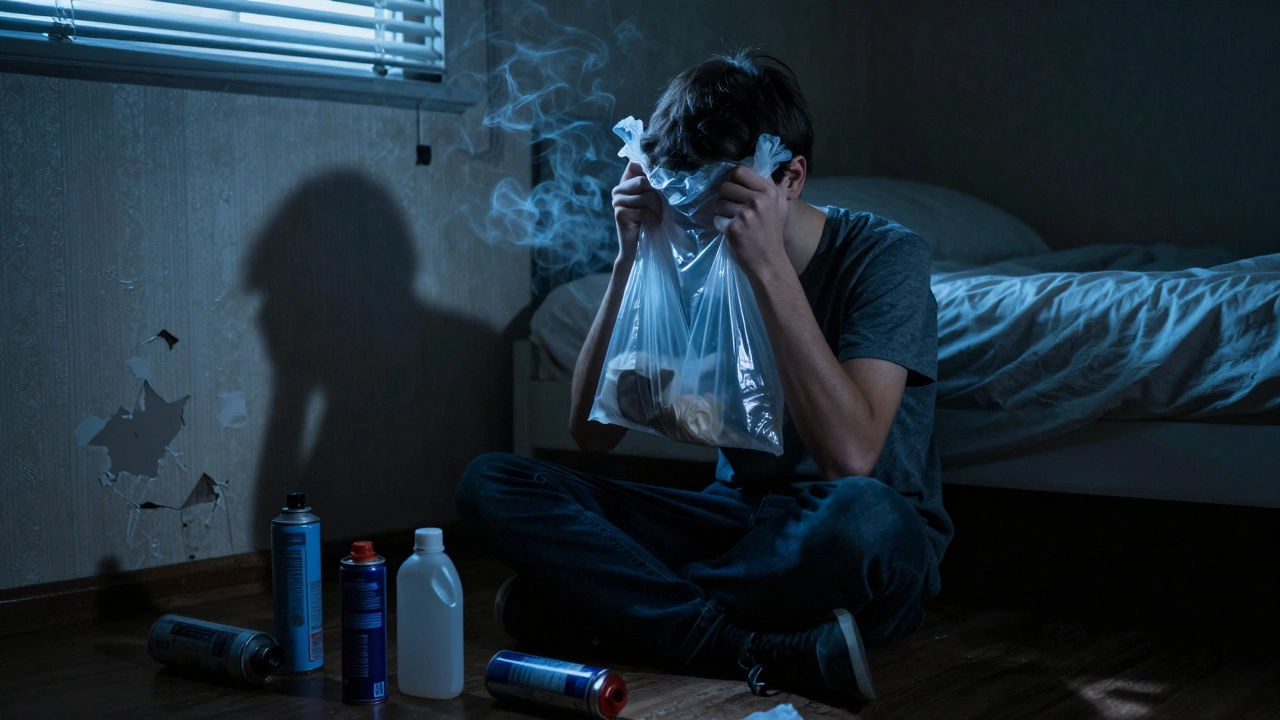
Creep huffing isn’t a trend. It’s not a joke. It’s not something you hear about in movies or see on social media challenges. It’s a real, life-threatening behavior that’s quietly spreading among teens and young adults who don’t know how dangerous it really is. People who do it call it "creep huffing"-a slang term for inhaling volatile substances like glue, aerosols, or cleaning products to get high. The name comes from the hunched, shuffling walk some users take after inhaling-like they’re "creeping" around, dazed and disconnected. But what starts as curiosity can end in brain damage, heart failure, or death-sometimes within minutes.
Some people searching for ways to escape stress or boredom end up stumbling onto sites like excorte paris, hoping to find distraction or connection. That’s not the same thing as huffing, but it shows how desperate some young people are to feel something-even if it’s fake. The truth is, creep huffing doesn’t give you euphoria. It gives you confusion, nausea, and a slow erosion of your ability to think, remember, or even walk straight.
How Creep Huffing Works
When someone huffs, they breathe in chemical fumes from everyday products: spray paint, deodorant, lighter fluid, nail polish remover, or even computer cleaner. These products contain solvents like toluene, butane, or propane. When inhaled, these chemicals flood the brain faster than alcohol or marijuana ever could. They knock out your brain’s normal electrical signals, which is why users feel a quick rush-like a punch to the head. That rush lasts seconds. What follows is dizziness, slurred speech, hallucinations, and sometimes sudden cardiac arrest.
The body doesn’t build up a tolerance to these chemicals the way it does with drugs like alcohol. Instead, each use becomes more dangerous. One time might be harmless. The next could be fatal. There’s no safe amount. No "just once." The heart can go into arrhythmia after a single inhalation. That’s why so many deaths happen to people who thought they were just "trying it out."
Who’s Most at Risk
Creep huffing doesn’t discriminate by income, school, or background. But it’s most common among kids between 12 and 17 who feel isolated, ignored, or overwhelmed. Many come from homes where emotional support is scarce. Others are dealing with bullying, trauma, or mental health struggles they can’t talk about. They don’t see huffing as drug use-they see it as a quick fix. It’s cheap. It’s easy to hide. You don’t need to buy anything special. You just need a can of air freshener and a plastic bag.
Schools rarely teach about it. Parents don’t know what to look for. The signs are subtle: a chemical smell on clothes, stains around the mouth or nose, empty spray cans hidden in drawers, sudden mood swings, or writing that looks like gibberish. Teachers might mistake it for laziness or attention problems. But it’s not laziness. It’s a neurological injury in progress.
The Physical Damage
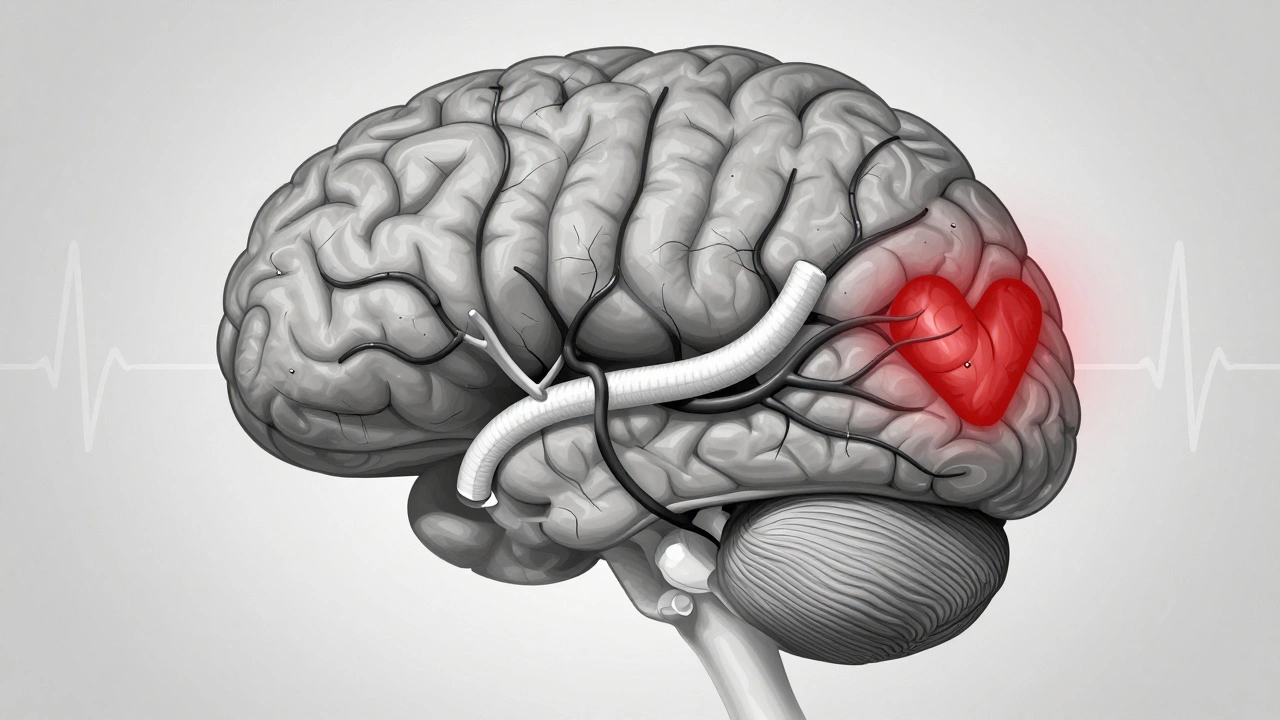
Every time someone huffs, they’re damaging their brain cells. The chemicals kill off the myelin sheath-the protective coating around nerves that helps your brain send signals. Once that’s gone, it doesn’t grow back. Long-term users lose memory, coordination, and the ability to process emotions. Some develop permanent tremors. Others can’t walk without help. A study from the National Institute on Drug Abuse found that chronic huffers showed brain shrinkage similar to people with advanced Alzheimer’s.
But the brain isn’t the only organ at risk. The heart is especially vulnerable. Chemicals like butane can cause the heart to beat irregularly, even stop. That’s called "sudden sniffing death syndrome." It can happen the first time someone huffs. It doesn’t matter if you’re fit, young, or healthy. Your heart doesn’t know the difference between a can of spray paint and a heart attack trigger.
Why It’s Hard to Stop
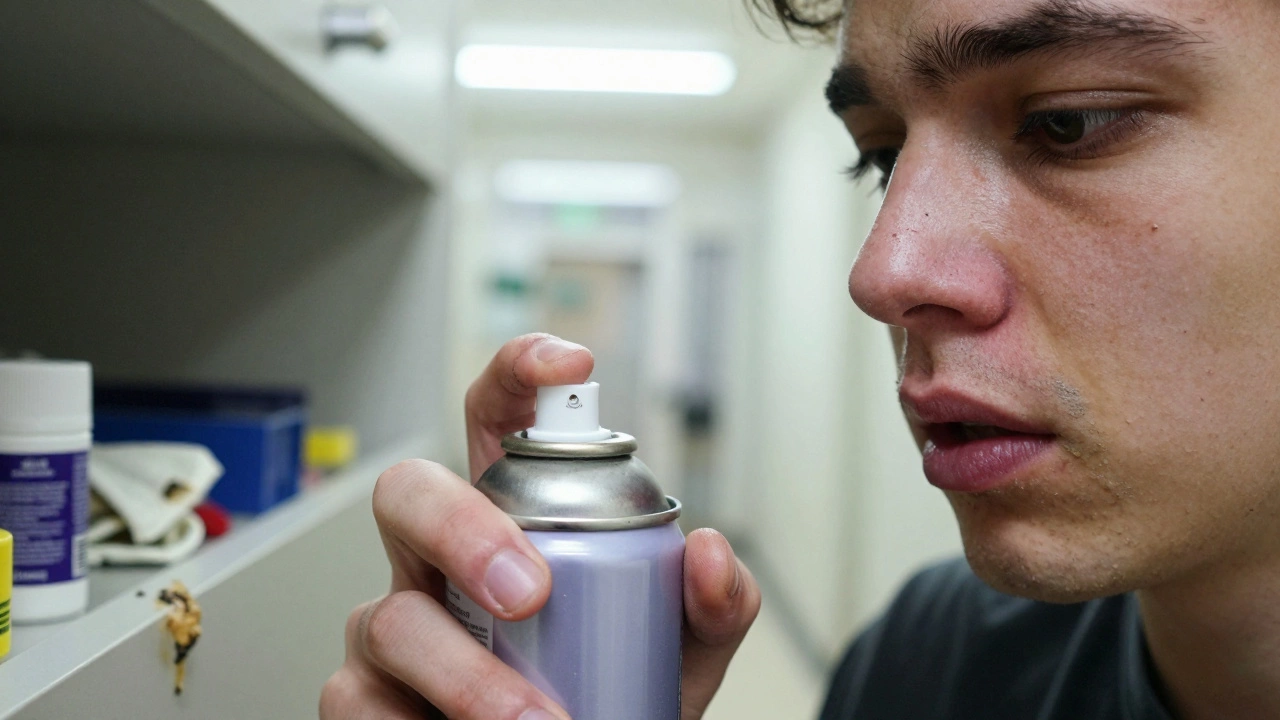
People who huff often don’t realize they’re addicted. There’s no needle. No pill. No visible high. So they don’t think they need help. And when they try to quit, withdrawal isn’t like with alcohol or opioids. It’s worse. They get severe anxiety, hallucinations, seizures, and uncontrollable shaking. Many go back to huffing just to make the symptoms stop.
Therapy helps-but only if it’s specialized. Most rehab centers focus on alcohol or heroin. Few have programs designed for inhalant abuse. That’s why so many kids fall through the cracks. They’re told to "just stop," but no one shows them how. No one explains that their brain is literally rewiring itself to crave chemicals they shouldn’t even be breathing.
What You Can Do
If you suspect someone you know is huffing, don’t wait. Don’t assume they’ll grow out of it. Don’t shame them. Talk to them. Ask open questions: "Have you ever tried anything to feel better?" Not "Are you huffing?" That puts them on the defensive.
Keep household chemicals locked up. Pay attention to empty containers. If you find a bag with a chemical smell, don’t throw it away-keep it as evidence. Contact a doctor, school counselor, or local addiction service. In the UK, you can call the Frank helpline at 0300 123 6600. They don’t judge. They help.
Parents, teachers, and youth workers need training on this. It’s not in the curriculum. It’s not in the health classes. But it should be. Kids need to know that the thing they think is harmless could kill them before lunch.
Real Stories, Real Losses
In Manchester, a 14-year-old boy died in 2023 after inhaling aerosol from a can he found in his dad’s garage. His mom said he’d been acting "quiet" lately. She thought he was just into video games. He wasn’t. He was trying to numb the pain of his parents’ divorce. He didn’t know what he was doing. He just wanted to feel nothing.
Another teen in Birmingham survived after huffing for six months. She now has trouble walking and remembers almost nothing from that time. Her doctor told her her brain had aged 20 years in less than a year. She’s in therapy now. She says she wishes someone had told her how fast it would destroy her.
These aren’t rare cases. They’re becoming more common. And they’re preventable-if we talk about it.
What Doesn’t Work
Scare tactics don’t work. "You’ll die!" doesn’t make sense to someone who doesn’t believe they’re at risk. Banning products doesn’t help either. Kids just find newer ones. The chemical industry keeps making new formulas that aren’t regulated yet.
What does work? Real conversations. Trusted adults who listen. Schools that teach mental health without stigma. Communities that offer safe spaces for kids to just be-without needing to escape.
And if you’re reading this because you’re curious about huffing? Don’t try it. Don’t even think about it. The rush isn’t worth the cost. You won’t feel better. You’ll feel worse. And you might not get a second chance.
Some people searching online for connection end up finding scorts paris instead. It’s not the same. But it’s another sign that people are looking for ways to feel something real. Huffing is the dark side of that same hunger. It’s not about rebellion. It’s about pain. And pain needs care-not silence.
If you’re reading this and you’ve tried huffing-even once-you’re not alone. You’re not broken. You just need help. Reach out. Call someone. Text a friend. There are people who understand. And they’re waiting for you to speak up.
There’s no such thing as "just one time." And there’s no shame in asking for help. Only in staying silent.
What to Do If You See Signs
- Check for chemical odors on breath, clothes, or in rooms
- Look for hidden containers, rags, or plastic bags with residue
- Notice sudden changes in behavior, school performance, or social withdrawal
- Don’t confront with anger-ask with care
- Keep a list of local helplines handy: Frank (UK), SAMHSA (US), or your local NHS mental health team
Creep huffing isn’t a phase. It’s a medical emergency. And it’s one we can stop-if we stop pretending it doesn’t exist.
Some people search for escape in strange places. One search led someone to escort pais. Another led someone to a can of spray paint. Both are cries for help. One gets a response. The other gets a funeral.